Quick answer · 짧은 답
A small rear-end crash with no damage to the car can still injure the neck. What happens inside, why pain can arrive days later, and what helps.
범퍼는 멀쩡한데 며칠 뒤부터 목이 안 돌아가는 이유. 저속 추돌 후 몸 안에서 실제로 일어나는 일과, 회복을 위해 무엇이 필요한지 정리했습니다. 워싱턴 에드먼즈.
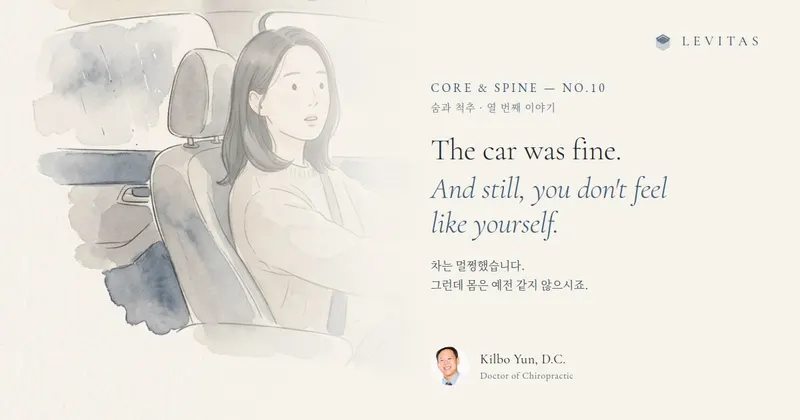
The car was fine. And still, you don’t feel like yourself.
What happens inside a neck after a small collision, and what actually helps.
You were waiting at a light. Someone tapped you from behind. You both got out, looked at the bumper, found nothing, said sorry, and drove home. And for a day or two it really did seem like nothing.
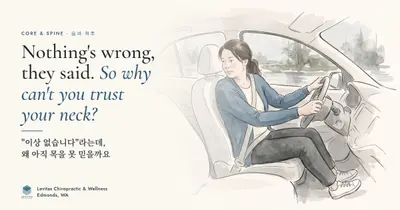
Then one morning you turn to check your blind spot, and something in your neck won’t let you.
If that is where you are right now, there are two things I would like to say before anything else. You are not imagining this. And you are not too late.
This wasn’t something you did wrong
A rear impact doesn’t simply throw the head backward, which is how most of us picture it.
What actually happens is stranger. The seat pushes your body forward first, while your head stays exactly where it was — it has nothing pushing it. So for a moment your neck is bent two ways at once: the lower segments arching backward, the upper ones tipping forward. Then the head swings the other way and the whole thing reverses.
All of it is over in about a tenth of a second. That is faster than muscle can respond. By the time your neck tightens to protect itself, the movement has already happened.
I mention this because people often arrive apologising — they weren’t paying attention, they were relaxed, they should have braced. You didn’t fail to brace. There was no time to.
A clean bumper tells us very little about you
Bumpers are made to crumple. Crumpling is how a car takes a hit on your behalf — the metal deforms, and the energy goes into bending it instead of into you.
At low speeds the bumper often doesn’t deform at all. That looks reassuring, and it works the other way round. If nothing crumpled, nothing was absorbed. The force still had to go somewhere, and it travelled through the frame, into the seat, and into the back resting against it.
Someone may have looked at your car and told you it was nothing much. If that stung a little, that makes sense. Two undamaged cars in a photograph say almost nothing about the people who were sitting inside them.
There is a reason nothing hurt at first
In the minutes after a crash your body fills with stress hormones. They are doing you a favour. They are what let you get out of the car, exchange numbers, answer questions and drive yourself home. They also cover pain quite effectively for a while.
Meanwhile the tissue that was strained is quietly swelling and stiffening, and that process takes days rather than hours. So the pain doesn’t arrive with the crash. It arrives later, once the first response has worn off and the second one is well underway.
If you told someone at the scene that you were fine, you weren’t wrong. At that moment you were.
Ligaments heal slowly, and they need a hand
Behind each pair of vertebrae there is a small joint wrapped in ligament. Its whole job is to decide how far that one segment is allowed to travel — a brake, essentially.
In a collision that wrapping gets stretched further than it was built for. And ligament has very little blood running through it, far less than muscle, so it mends far more slowly.
Think of an elastic band that has been pulled too far. It still holds things together. It just doesn’t hold them as steadily as it used to. That is why this takes longer than a pulled muscle would — not because you are healing badly, but because of what kind of tissue it is.
“No fracture” is good news, and it isn’t the whole picture
An emergency room asks one question and asks it very well: is anything here dangerous right now. A broken bone, bleeding, a head injury. When the answer is no, they send you home, and they are right to. That is exactly what an emergency department is for.
But a still picture of bone isn’t built to show a ligament that has been stretched, or one segment that has quietly stopped moving the way it used to. Those things show up somewhere else — in how you turn, where the turning stops, and what the muscles around it have started doing to guard the area.
That is a different kind of look, and it is worth having.
What actually happens when you come in
We start by watching you move. Not much talking at first. I want to see how your neck, your mid-back and your hips move together, where the motion stops earlier than it should, and what the nerves are doing. Nothing in this part should hurt. And if something in that exam tells me you need imaging or another opinion, I’ll say so and help you get it. That’s part of the job, not a failure of it.
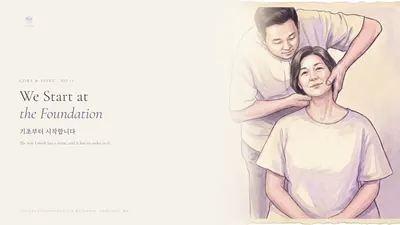
Then we give the joint its movement back. A specific adjustment to the segments that have locked down, and hands-on work through the muscles that have been on guard since the day it happened. Most people describe this as a relief rather than a treatment.
Then we build what holds it. This is the part most people never get to. A ligament that has been overstretched doesn’t tighten back up on its own, so the muscle around it has to take over that job. We begin with breathing, because the deep muscles that steady your spine work along with it, and from there your neck and trunk relearn how to hold their place. It’s quiet work. It’s also usually what decides whether you’re still thinking about this a year from now.
Bodies are good at healing when they are given room
None of this is meant to frighten you.
Most of what happens after a small collision is the body doing exactly what it should — protecting a sore area, holding still while it mends. The trouble only starts when it has to keep holding still for months, because the movement never came back.
Given that movement back early, most people have far less to manage later. That is really the whole reason to come in now rather than wait and see.
A short note on insurance in Washington
Personal Injury Protection is optional coverage here. Insurers have to offer at least $10,000 in medical benefits, and it can be turned down in writing, so not everyone carries it.
If you do have it, it pays for related care no matter who was at fault, for treatment received within three years of the collision, and you choose where you go. Your declarations page will tell you whether you have it. If you’d rather not work that out on your own, bring it with you and we’ll look at it together.
If you were in a collision recently
I would still like to have a look — not because I assume something is wrong. Often enough there isn’t much, and I’m glad to be the one to tell you so.
But a neck is much easier to help in the first few weeks than in the first few years, and “it was only a small one” is the sentence I hear most often from people who have been carrying this around for ten years.
You don’t have to decide anything on your own. Come and ask.
Kilbo Yun, D.C.
Doctor of Chiropractic
Levitas Chiropractic & Wellness · Edmonds, WA
Book a visit · 예약하기
Written for general understanding. It doesn’t diagnose anything or take the place of being seen in person, and recovery looks different for everyone.
차는 멀쩡했습니다. 그런데 몸은 예전 같지 않으시죠.
작은 사고 뒤에 목 안에서 일어나는 일들, 그리고 무엇이 도움이 되는지.
신호를 기다리고 있었습니다. 뒤차가 살짝 부딪혔고, 내려서 봤더니 범퍼엔 자국 하나 없었죠. 서로 괜찮다고 인사하고 각자 집으로 갔습니다. 하루 이틀은 정말 아무렇지 않았고요.
그러다 어느 날 아침, 차선을 바꾸려고 고개를 돌리는데 목이 말을 듣지 않습니다.
지금 그 자리에 계시다면, 다른 이야기보다 이 두 가지를 먼저 드리고 싶습니다. 예민해서 그런 게 아닙니다. 그리고 늦지 않으셨습니다.
몸이 약해서 그런 게 아닙니다
뒤에서 받히면 머리가 그냥 뒤로 젖혀진다고 생각하기 쉽습니다. 그런데 실제로 일어나는 일은 좀 더 이상합니다.
시트가 몸통을 먼저 앞으로 밀어냅니다. 그동안 머리는 아직 제자리에 남아 있고요. 머리를 밀어주는 게 아무것도 없으니까요. 그 짧은 순간, 목은 아래쪽이 뒤로 젖혀지고 위쪽은 앞으로 숙여지면서 서로 반대 방향으로 동시에 꺾입니다. 그리고 곧바로 반대로 튕겨 나가면서 전부 뒤집힙니다.
이 모든 게 0.1초 안에 끝납니다. 근육이 반응하기엔 너무 빠른 시간이에요. 목이 자기를 지키려고 힘을 주기 시작할 때쯤이면 움직임은 이미 다 지나가 있습니다.
이 이야기를 굳이 드리는 이유가 있습니다. 사고 후에 오시는 분들이 자주 미안해하시거든요. 딴생각을 하고 있었다고, 힘을 빼고 있었다고, 미리 버텼어야 했다고요. 버티지 못하신 게 아닙니다. 버틸 시간이 없었던 겁니다.
범퍼가 멀쩡한 건 차 이야기입니다
범퍼는 원래 찌그러지라고 만든 부품입니다. 찌그러지면서 차가 대신 충격을 받아주는 거죠. 금속이 휘어지는 데 힘이 쓰이면, 그만큼 사람에게 덜 옵니다.
그런데 속도가 낮으면 범퍼가 아예 안 찌그러지는 경우가 많습니다. 보기엔 안심되지만 실은 반대입니다. 아무것도 찌그러지지 않았다는 건 아무것도 흡수되지 않았다는 뜻이니까요. 그 힘은 사라지지 않고 차체를 타고 시트로, 시트에 기대고 있던 등으로 그대로 옵니다.
누군가 차를 보고 “별거 아니네” 했을지도 모릅니다. 그 말이 조금 서운하셨다면, 그럴 만합니다. 멀쩡한 차 사진 두 장은 그 안에 타고 있던 사람에 대해서는 거의 아무것도 말해주지 않으니까요.
사고 당일에 안 아팠던 데는 이유가 있습니다
사고 직후 몇 분 동안 몸에는 스트레스 호르몬이 쏟아집니다. 나쁜 게 아니라 고마운 반응이에요. 덕분에 차에서 내리고, 연락처를 주고받고, 질문에 대답하고, 직접 운전해서 집까지 오실 수 있었던 거니까요. 다만 그 호르몬은 통증도 한동안 꽤 잘 덮어버립니다.
그 사이 다친 조직은 조용히 붓고 굳어갑니다. 이건 몇 시간이 아니라 며칠에 걸쳐 일어나는 일이고요. 그래서 통증은 사고와 함께 오지 않습니다. 흥분이 다 가라앉고 두 번째 과정이 한창일 때, 뒤늦게 찾아옵니다.
사고 현장에서 괜찮다고 말씀하셨다면, 그건 거짓말이 아니었습니다. 그때는 정말 괜찮으셨던 거예요.
인대는 천천히 낫고, 도와줘야 낫습니다
척추뼈 마디마다 뒤쪽에는 작은 관절이 있고, 그 관절은 인대로 감싸여 있습니다. 하는 일은 하나예요. 그 마디가 어디까지 움직여도 되는지를 정해주는 것. 말하자면 브레이크입니다.
사고 순간 이 인대는 원래 늘어나도 되는 만큼보다 더 늘어납니다. 그런데 인대는 근육에 비해 피가 훨씬 덜 통하는 조직이라, 아무는 데 시간이 오래 걸립니다.
너무 늘어난 고무줄을 떠올려 보세요. 묶여 있기는 합니다. 다만 예전만큼 단단히 잡아주지는 못하죠. 그래서 단순한 근육통보다 회복이 더딥니다. 몸이 잘못 낫고 있어서가 아니라, 원래 그런 조직이라 그렇습니다.
“뼈에는 이상 없습니다”는 좋은 소식입니다. 다만 전부는 아닙니다
응급실은 한 가지 질문을 아주 잘 하는 곳입니다. 지금 당장 위험한 게 있는가. 골절, 출혈, 머리 손상 같은 것들이요. 그런 게 없으면 집으로 돌려보냅니다. 그건 옳은 판단이고, 응급실은 원래 그러라고 있는 곳입니다.
다만 정지된 뼈 사진은 늘어난 인대나, 예전처럼 움직이지 않게 된 마디를 보여주도록 만들어진 검사가 아닙니다. 그런 건 다른 데서 드러납니다. 고개를 돌릴 때 어디서 멈추는지, 그 주변 근육이 그 자리를 지키려고 어떻게 굳어 있는지에서요.
그건 다른 종류의 진찰이고, 한 번 받아보실 만합니다.
오시면 무엇을 하게 되는지
먼저 움직임을 봅니다. 처음엔 말을 많이 하지 않습니다. 목과 등, 골반이 실제로 어떻게 같이 움직이는지, 어디서 움직임이 원래보다 일찍 멈추는지, 신경은 괜찮은지를 봅니다. 이 과정에서 아플 일은 없습니다. 보다가 영상 촬영이나 다른 전문가의 판단이 필요하다고 생각되면, 그렇게 말씀드리고 연결해 드립니다. 그것도 제 일의 일부이지, 못 봐준 게 아닙니다.
그다음 굳은 마디에 움직임을 돌려줍니다. 잠겨버린 분절에 정확한 교정을 하고, 사고 이후로 계속 긴장한 채 있는 근육을 손으로 풀어냅니다. 이 부분은 치료라기보다 시원하다고 표현하시는 분이 많습니다.
마지막으로 그 움직임을 지켜낼 힘을 만듭니다. 대부분의 환자분이 여기까지는 못 가보십니다. 늘어난 인대는 스스로 다시 조여지지 않기 때문에, 그 자리를 대신 잡아줄 근육이 필요합니다. 저희는 호흡부터 시작합니다. 척추를 안쪽에서 붙잡아 주는 깊은 근육들이 호흡과 같이 움직이거든요. 거기서부터 목과 몸통이 제자리를 지키는 법을 다시 배웁니다. 조용하고 눈에 잘 안 띄는 작업입니다. 그런데 일 년 뒤에도 이 일을 계속 생각하고 계실지 아닐지는 대개 여기서 갈립니다.
몸은 회복할 줄 압니다. 여지를 주면요
이 글의 어느 대목도 겁을 드리려고 쓴 게 아닙니다.
작은 사고 뒤에 몸에서 일어나는 일들은 대부분 몸이 해야 할 일을 하고 있는 겁니다. 아픈 자리를 지키고, 아무는 동안 가만히 붙잡아 두는 거죠. 문제는 움직임이 끝내 돌아오지 않아서, 그 상태로 몇 달을 계속 버텨야 할 때 생깁니다.
움직임을 일찍 되돌려 주면, 나중에 감당해야 할 일이 훨씬 줄어듭니다. 지켜보자고 미루기보다 지금 한 번 봐두시라고 말씀드리는 이유는 그게 전부입니다.
비용이 걱정되신다면
워싱턴에서 PIP(개인 상해 보장)는 선택 가입입니다. 보험사는 최소 $10,000의 의료비 보장을 제안해야 하지만 서면으로 거절할 수도 있어서, 모두가 가지고 계신 건 아닙니다.
가입되어 있다면 과실이 누구에게 있든 관련 진료비가 지급되고, 사고일로부터 3년 이내에 받은 치료가 대상이며, 어디서 치료받을지는 본인이 정하십니다. 가입 여부는 보험 증서(declarations page)에 나와 있습니다. 혼자 확인하기 번거로우시면 그냥 가지고 오세요. 같이 보면 됩니다.
최근에 사고가 있으셨다면
그래도 한번 봐드리고 싶습니다. 뭔가 잘못됐을 거라고 생각해서가 아닙니다. 별일 아닌 경우도 많고, 그럴 땐 제가 그렇게 말씀드릴 수 있어서 좋습니다.
다만 목은 몇 년이 지난 뒤보다 처음 몇 주에 도와드리기가 훨씬 쉽고, “가벼운 사고였어요” 라는 말은 10년째 이걸 안고 사시는 분들에게서 제가 가장 자주 듣는 말이기도 합니다.
혼자 판단하지 않으셔도 됩니다. 오셔서 물어보세요.
윤길보 (Kilbo Yun, D.C.)
Doctor of Chiropractic
Levitas Chiropractic & Wellness · 워싱턴 에드먼즈
예약하기 · Book a visit
일반적인 이해를 돕기 위해 쓴 글입니다. 개인의 상태를 진단하거나 직접 진찰받는 것을 대신하지 않으며, 회복의 모습은 사람마다 다릅니다.
View the full brochure · 브로셔 전체 보기


Still stiff after an accident?
사고 후 남은 뻣뻣함, 한국어로 편하게 상담하세요. PIP 보험 진료 가능.
Book a visit · 예약하기카톡으로 먼저 물어보기